
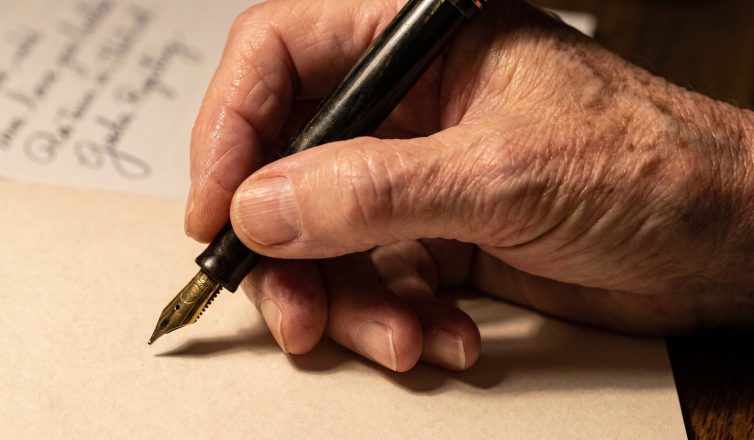
In Texas, a will you write out entirely by hand can be completely legal, with no witnesses and no notary. It’s called a holographic will, and Texas is one of the states that still honors them. That sounds great when you’re in a pinch. The problem is that the same features that make a handwritten will easy to create also make it easy to attack in court. A holographic will can absolutely work, but it’s often the will most likely to start a family fight. Here’s when one holds up and when it blows up.
Key Takeaways
- A holographic will must be entirely in the person’s own handwriting and signed by them. No witnesses are required.
- It has to show real intent to make a will, not just notes or wishes.
- Handwritten wills are valid but far easier to contest over handwriting, clarity, and missing pieces.
- A holographic will is better than no will, but it’s a weak substitute for a properly drafted one.
What makes a handwritten will valid in Texas
The rules are short. Under the Texas Estates Code, a holographic will must be written wholly in the testator’s own handwriting and signed by them. Because it’s in their hand, the law doesn’t require the witnesses that a typed will needs. The document also has to show testamentary intent, meaning it’s clear the person meant this to be their will and to take effect at death, not a rough draft or a letter musing about someday.
That intent requirement trips people up. A note that says “I want Sarah to have the house” might be a wish, a promise, or a will, and a court has to decide which. The cleaner the language, the words “this is my will,” a clear list of who gets what, a date, and a signature, the stronger it stands.

Why they’re so easy to fight
Here’s the hard truth: the person who wrote the will isn’t around to explain it. So every ambiguity becomes an argument. A relative who feels shortchanged can challenge whether the handwriting is really the deceased’s, whether they had the mental capacity to make a will, or whether someone pressured them into it. With no witnesses to say otherwise, these fights can drag on.
Handwriting itself becomes a battleground. If any part of the document is in someone else’s hand, even a helpful family member filling in a blank, it can invalidate the whole thing, because the law demands it be wholly in the testator’s writing. Add messy penmanship, cross-outs, and margin notes, and you’ve handed a will contest a road map. What felt like a simple, personal gesture can turn into months of litigation.
The pieces handwritten wills usually miss
Most people writing a will by hand focus on who gets the house and the savings, and stop there. But a solid will does more. It names an executor to handle the estate and, ideally, authorizes independent administration so the family avoids court-supervised probate. It names a guardian for minor children. It includes a residuary clause that catches anything not specifically mentioned, so a forgotten account doesn’t fall into intestacy. Holographic wills routinely skip all of that.
When those pieces are missing, the estate can end up partly governed by the will and partly by the state’s default rules, which is the confusing worst of both worlds. A court may also have to appoint an administrator and require a bond, adding cost the writer never intended. The gaps in a handwritten will often cause more trouble than the parts that are there. Anything the will misses passes under the Texas intestacy rules for spouses and children, which rarely match what the writer intended.
When a holographic will makes sense, and when it doesn’t
There’s a real place for handwritten wills: emergencies. If you’re facing surgery tomorrow, or you’re somewhere you can’t reach a lawyer, a clear handwritten will is far better than dying with nothing and letting the state decide. In that sense, something is almost always better than nothing.
But it should be a stopgap, not a plan. As soon as circumstances allow, replacing a holographic will with a properly drafted one removes the openings for a contest and fills in the missing parts. If you already have a handwritten will and want to know whether it will actually hold up, or you’re trying to probate one a loved one left behind, an experienced Texas estate planning attorney can tell you where it’s strong and where it’s exposed.
How to make a handwritten will as strong as possible
If a handwritten will is your only option for now, a few habits help. Write the entire thing yourself in ink, with no typed portions and no one else’s writing on the page. State plainly that it’s your will. Date it and sign it at the end. Name an executor and, if you have minor children, a guardian. Be specific about who gets what, and add a line covering everything else you own. Keep it somewhere your family can find it, and tell someone it exists. None of this makes a holographic will bulletproof, but it closes the easiest angles of attack.
How handwritten wills go wrong in real life
The failures tend to rhyme. A parent jots a will on notebook paper but never clearly says it’s a will, so a court can’t tell a binding document from a wish list. Someone writes most of it by hand but types the heading or lets a child fill in a blank, breaking the rule that it be wholly in the testator’s writing. A will leaves the house to one child and never mentions the savings, so part of the estate passes by the will and part by intestacy. Or the handwriting is so hard to read that heirs spend months arguing over what a single line actually says.
Each of these is fixable in a drafted will and common in a handwritten one. The pattern is always the same: the will does the easy part, naming a beneficiary, and skips the parts that keep an estate out of court.
What to do if you’re holding a loved one’s handwritten will
If a relative left a handwritten will, don’t assume it’s either automatically valid or automatically worthless. Keep the original safe and unaltered, because the physical document is the evidence a court will examine. Don’t write on it, and don’t throw away envelopes or related notes that might help show intent. Then have it reviewed before you file, so you know whether it’s likely to be admitted and whether anyone is positioned to contest it. Handled carefully, many holographic wills do get probated. In a simple estate with no debts beyond a mortgage, a valid handwritten will can even be probated as a muniment of title, without a full administration. Handled carelessly, even a valid one can be lost.
How Central Texas probate courts treat them
Handwritten wills reach probate the same way statewide, but the experience varies by court. Across Travis, Hays, Bastrop, and Comal counties, judges scrutinize holographic wills more closely than witnessed ones, and proving one usually requires someone familiar with the deceased’s handwriting to testify. A contested handwritten will can turn a routine filing into a full dispute.
Tyler Key is a Hays County native who has handled Central Texas estate planning and probate for more than a decade. Whether you want to shore up a handwritten will or replace it with something stronger, our estate planning team serves Travis, Hays, Bastrop, and Comal counties and offers free consultations.
Frequently asked questions
Are handwritten wills legal in Texas?
Yes. Texas recognizes holographic wills that are written entirely in the person’s own handwriting and signed by them. Unlike typed wills, they don’t require witnesses.
Does a handwritten will need to be notarized or witnessed?
No. A valid holographic will needs no witnesses or notary. It does, however, have to be wholly in the writer’s handwriting, signed, and clearly intended to be a will.
Why are handwritten wills easy to contest?
Because there are no witnesses and the writer can’t explain it, relatives can challenge the handwriting, the person’s capacity, or whether they were pressured. Ambiguous wording and missing provisions add more openings for a fight.
What should a handwritten will include?
Ideally a clear statement that it’s your will, who inherits what, an executor with authority for independent administration, a guardian for minor children, a residuary clause, a date, and your signature, all in your own hand.
Should I rely on a holographic will?
Only as a temporary measure. A handwritten will is far better than none in an emergency, but a properly drafted will removes the weaknesses and is worth putting in place as soon as you can.